Views: 100 Author: Linnea Publish Time: 2026-11-04 Origin: Site
1. How Are Steel Skins Manufactured?
The production of steel skins begins with large coils of steel sheet. First, the steel coil is uncoiled and passed through a leveling machine to flatten the material. This process prepares the steel sheet for further processing and helps ensure a consistent surface for subsequent operations.
After leveling, the steel sheet is cut into the required dimensions according to the product specifications. Different sizes can be selected based on the intended door design and the buyer's requirements. Once cutting is complete, the panels can undergo embossing using specific molds to create decorative patterns on the surface. Different molds produce different designs, giving buyers more options for their product lines.
From raw steel coils to finished embossed panels, each production stage plays an important role in determining the final dimensions and appearance. Buyers should confirm material thickness, panel size, and pattern requirements before ordering to ensure the products match their manufacturing needs.


2. Common Steel Skin Patterns
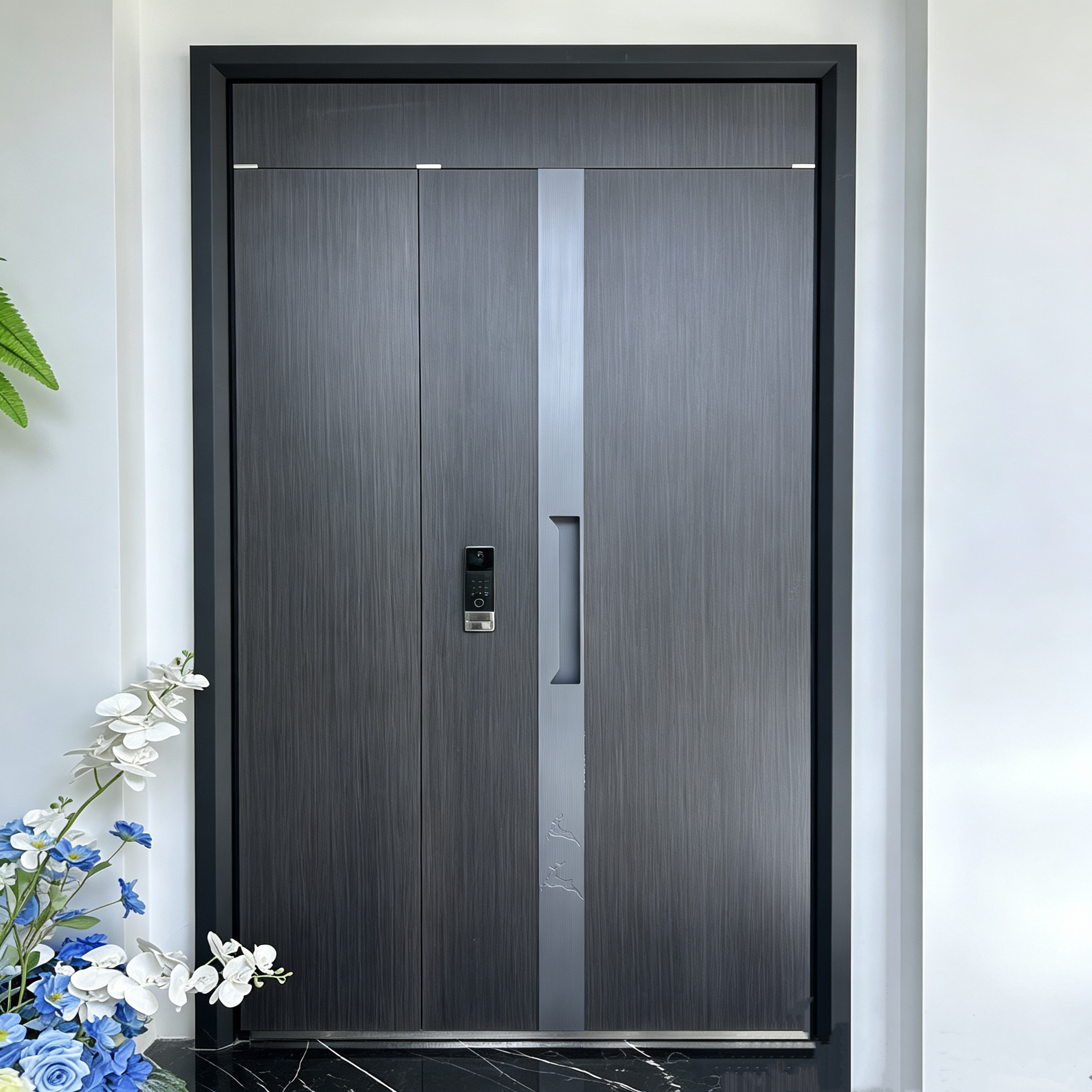
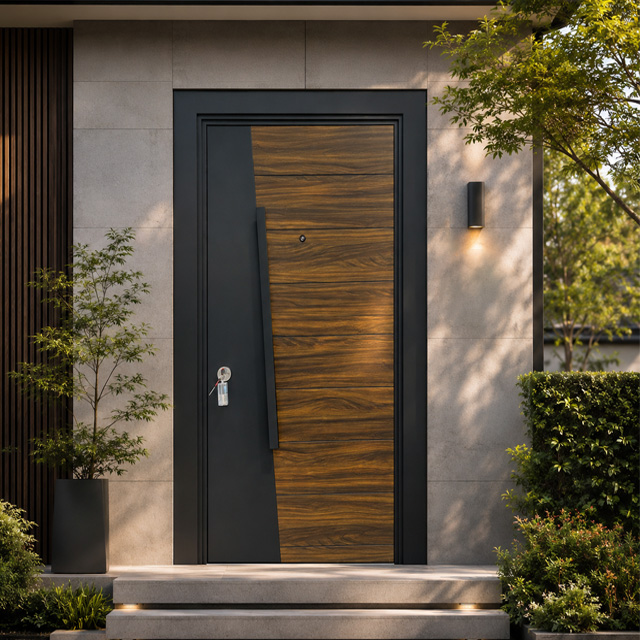
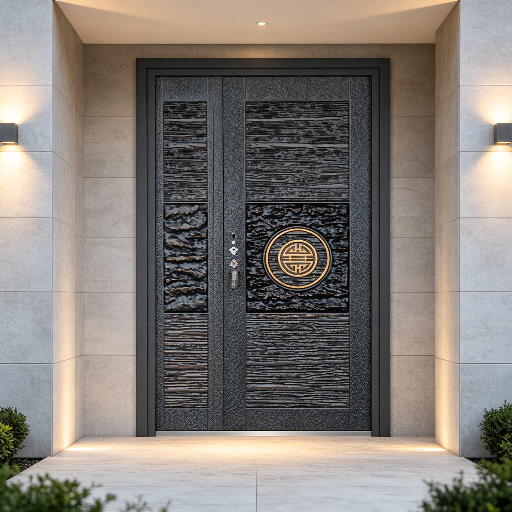
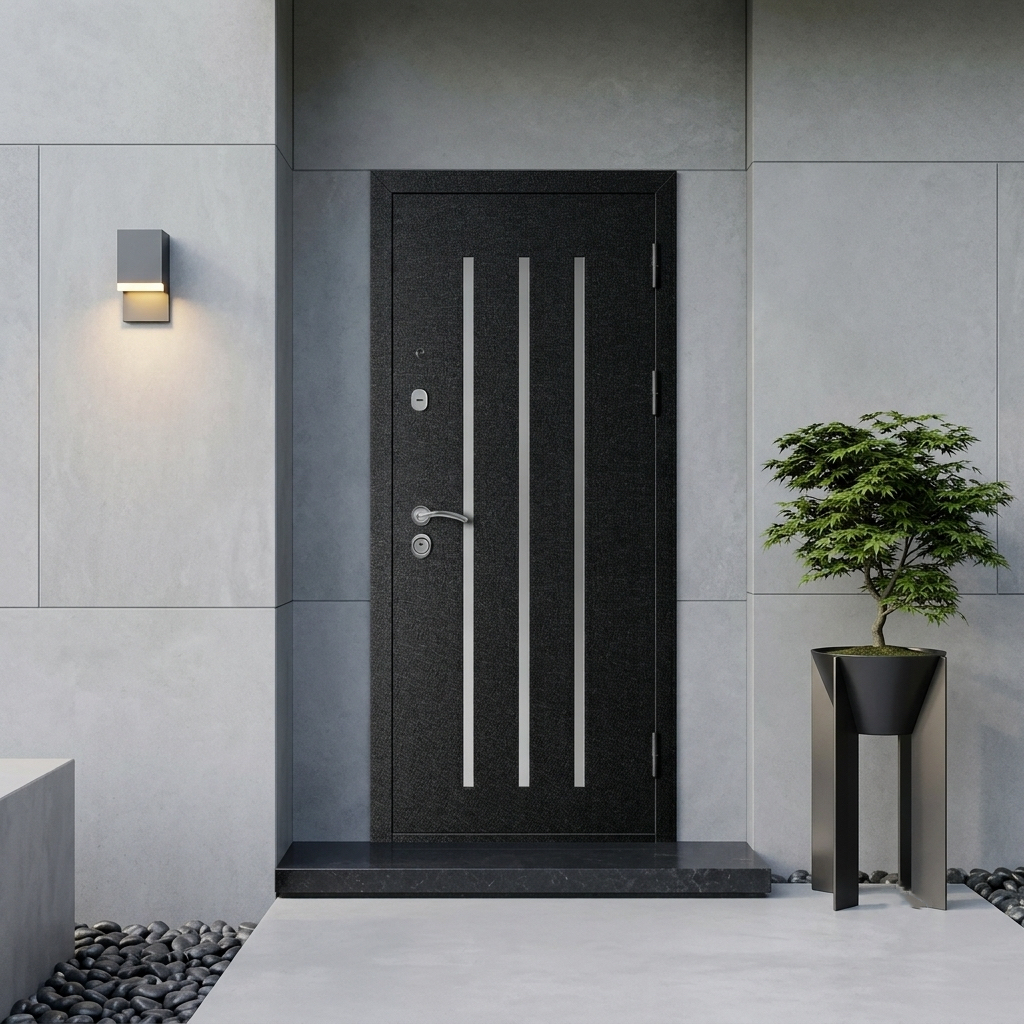
steel skins are available in a variety of decorative designs to suit different door styles and market preferences. Four common options are regular embossed patterns, nested patterns, cut-out designs, and tank-style panels. Although these options can use similar base materials, their surface structures and visual effects are different.
Regular embossed steel skins are made by pressing a pattern directly into the steel sheet with a patterned mold. The designs may include geometric shapes, decorative lines, or repeated motifs. This type of panel is suitable for many conventional metal door designs and provides a practical choice for wholesalers who need several styles for their product range. The final appearance depends on the selected mold and the pattern it produces.
Nested pattern steel skins feature a combination of surface textures in different areas of the panel. This creates a layered effect, with the central area retaining its original pattern while the surrounding areas display additional textures. The exact appearance depends on the mold design and processing method.
Cut-out steel skins feature openings in selected areas of the panel rather than relying entirely on embossed patterns. These openings may be designed for glass or other decorative inserts, depending on the finished door configuration. When glass is installed, the surrounding frame or finishing structure can cover the cut edges. Buyers should confirm the opening dimensions and intended configuration before ordering to ensure that the panel is suitable for the final door design.
Tank-style steel skins have a distinctive embossed appearance with a more structured surface design. Their patterns are created using corresponding molds and can offer a different visual effect from simpler decorative panels. The specific details vary according to the mold used. When choosing among these four options, buyers should consider their target customers, preferred door styles, material specifications, and order quantities. Reviewing product photos or samples is a useful way to compare the patterns before making a purchasing decision.

3. Common Sizes and steel Skin Pricing
A commonly used steel skin size is 2000 × 1000 mm, with a steel sheet thickness of approximately 0.6–1.2 mm, although actual dimensions may vary depending on the door design and customer requirements. Buyers should confirm the required length, width, material thickness, pattern, and order quantity when requesting a quotation.
steel skin prices are closely related to raw material costs, which can fluctuate over time. Material thickness, dimensions, pattern selection, and order quantity can also affect the final price. For a fair comparison between suppliers, buyers should check that the quoted products have the same specifications.
To account for changes in raw material costs, PHIPULO quotations for these products are valid for one week, subject to the terms stated in the quotation. If an order is confirmed after the validity period, the price may need to be reviewed based on current material costs and the final product specifications. Providing complete product requirements in advance helps suppliers prepare accurate quotations and supports more efficient purchasing decisions.
Conclusion
steel skins are manufactured through a series of processes, starting with large steel coils, followed by leveling, cutting, and embossing. Different molds create a variety of patterns, including regular embossing, nested designs, cut-out panels, and tank-style patterns. While 2000 × 1000 mm is a commonly used size, the final dimensions should always be confirmed according to specific requirements. Since raw material prices fluctuate, PHIPULO quotations are valid for one week. By confirming the required size, thickness, pattern, and quantity in advance, buyers can simplify the sourcing process and make better-informed purchasing decisions.